

When a loved one passes away, their will is supposed to provide clear direction for how their estate is handled. In practice, our Arizona estate and probate attorneys frequently see situations where that does not happen. Representatives may misunderstand their role, delay distributions, favor certain beneficiaries, or disregard parts of the will altogether. These issues often lead to conflict, financial loss, and court intervention.
In this article, we explain what Arizona law requires when a valid will exists, the most common problems that arise during administration, and what happens when a personal representative fails to follow the instructions in a Last Will and Testament. We also outline how Arizona probate courts address disputes and what executors can do to respond appropriately when issues arise.
*Disclaimer: This information is provided for general educational purposes only and does not constitute legal advice. For guidance specific to your situation, we encourage you to speak with our experienced probate attorneys.

The Duty to Follow a Will in Arizona
An executor, in Arizona known as a personal representative, holds a strict fiduciary duty to the estate and its beneficiaries. This legal obligation requires them to act with honesty, loyalty, and good faith throughout the entire process. Under A.R.S. § 14-3703, the personal representative must settle and distribute the decedent's estate according to the terms of the last will and testament and the best interests of the estate.
This duty leaves little room for personal discretion in asset distribution. The role of the personal representative is to execute the instructions of the deceased, not to rewrite them. That obligation begins with having a comprehensive will that clearly reflects the testator’s intent.
The Legal Consequences of Failing to Follow the Terms of a Will
Arizona statutes establish strict criteria for a valid will to make the document legally enforceable. Estate planning strategies also frequently rely on beneficiary designations for assets such as life insurance policies or retirement funds, which bypass the will and transfer assets directly to beneficiaries. Family members and interested parties often ask what happens if a will is not followed after death. That could cause significant problems for the estate and the heirs.
When a will is not followed, the probate court possesses the authority to intervene to correct the mismanagement. The specific repercussions depend on whether the failure was an honest administrative error or an intentional act of misconduct.

Financial Loss and Delays
A failure to follow the will often leads to significant delays in the probate process. A standard formal probate case might take six to twelve months, but disputes over an executor's actions can extend this timeline by years. During this period, valuable assets may depreciate, or the estate may incur unnecessary court costs, thereby depleting funds available for inheritance.
Personal Liability for the Executor
Arizona law imposes personal liability on personal representatives who mismanage estate assets. If an executor fails to follow the will and causes a loss, for example, by failing to distribute stock before a market crash or by selling property owned by the estate below fair market value, they may be personally responsible for restoring that value. This concept means the executor must pay the estate back from their own funds.
Potential Criminal Charges
In severe cases where an executor intentionally misappropriates funds, steals assets, or commits fraud, they may face criminal charges. Theft from an estate is a serious offense, and the court may refer the matter to the prosecutor's office in addition to imposing civil penalties.
In many cases, these situations arise from misunderstanding legal obligations rather than intentional misconduct, making early legal guidance especially important for personal representatives.
#cta_start
Ensure Compliance with Arizona Probate Law
If you are unsure whether a will is being followed correctly, reach out to our probate attorneys for guidance on proper administration and legal compliance.
#cta_end
Valid Reasons for Not Following a Will in Arizona
In specific scenarios, an executor may legally deviate from the original terms of a last will. This usually occurs when the document itself is flawed, state law has changed, or external circumstances make strict adherence impossible.
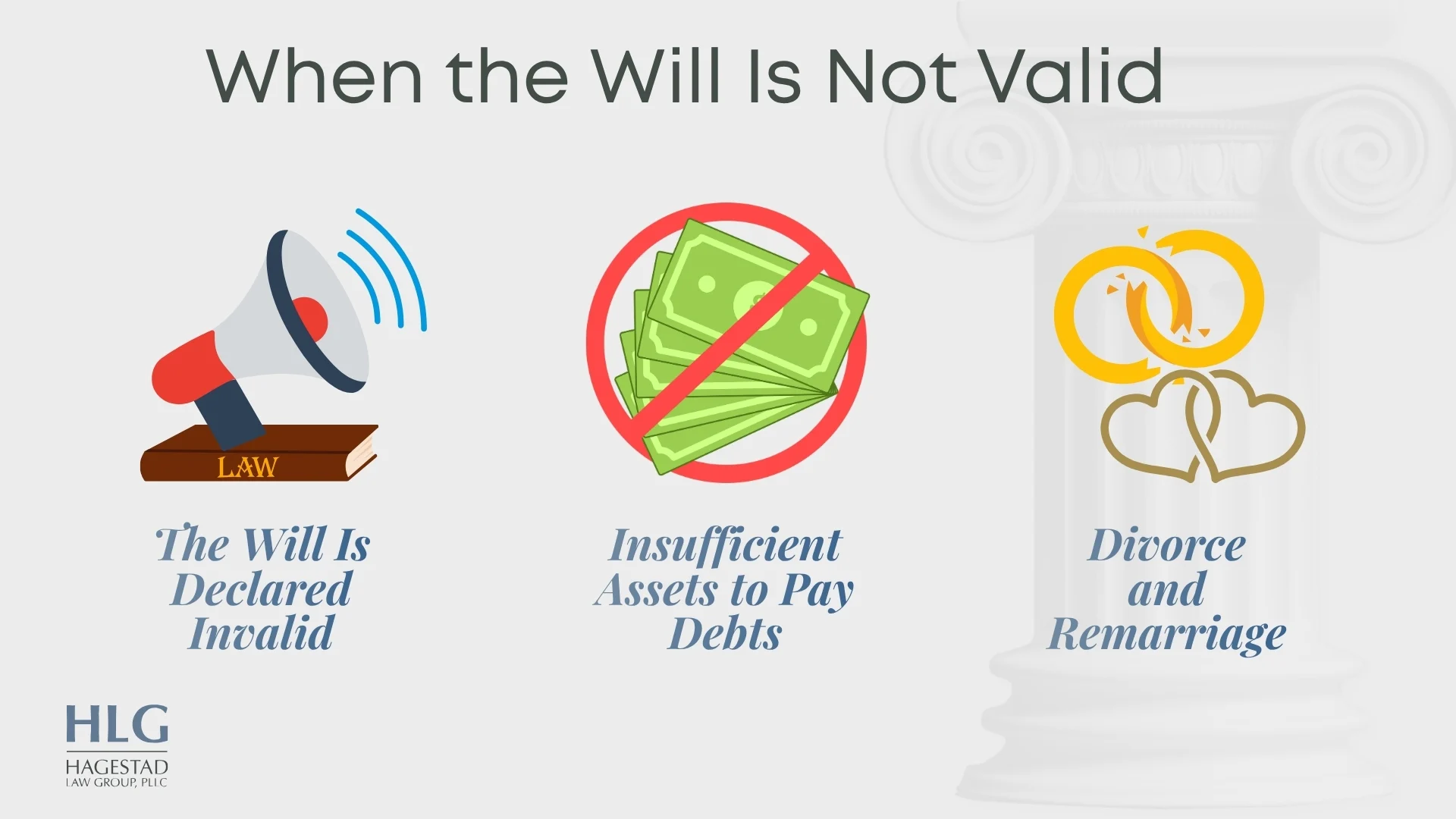
The Will Is Declared Invalid
A will must meet specific legal requirements to be enforceable. If a court determines the document is invalid, the executor cannot follow it. Instead, they must look to a prior valid will or, if none exists, follow Arizona's laws of intestate succession. Common grounds for invalidity include:
- Lack of sound mind: The testator did not possess a sound mind or understand the nature of their assets when signing the document.
- Undue influence: A third party coerced or manipulated the testator into making changes they would not have made otherwise.
- Improper execution: The document lacks necessary signatures, testator's handwriting, or witnesses as required by the Uniform Probate Code adopted by Arizona.
Insufficient Assets to Pay Debts
Sometimes a will leaves specific gifts of money or property that the estate no longer possesses. If the deceased's estate holds more outstanding debts than assets, the executor cannot simply ignore creditors to pay heirs. Instead, the process works as follows:
- Creditor priority: The executor must pay valid claims and creditors before distributing the inheritance to beneficiaries.
- Abatement: If funds are low, beneficiaries may receive less than what the will intended, or nothing at all, through a process called abatement.
- Order of payment: Arizona law dictates the specific order in which assets pass to pay debts, often utilizing the remaining assets in the residuary estate first before touching specific gifts.
Divorce and Remarriage
Life changes often shift priorities and family dynamics. Under Arizona law, a divorce automatically revokes any disposition or appointment of property in a will made by a divorced person to their former spouse. Even if the will remains unchanged physically, the executor cannot follow the instruction to leave assets to an ex-spouse unless the will expressly provides otherwise or a court orders it.
What If Only Part of the Will Is Ignored
There are instances where only specific provisions of a will are invalid or impossible to fulfill, while the rest of the document remains legally binding. The court typically handles these situations by striking the problematic clauses while upholding the rest:
- Public policy violations: If a condition in the will violates public policy (e.g., conditioning an inheritance on divorce), the court may void that specific clause.
- Ademption: If the will attempts to distribute property the testator no longer owned at the time of the individual's death, that specific gift fails, but the rest of the will stands.
- No arbitrary choices: An executor cannot choose to ignore a valid bequest simply because they disagree with it; doing so constitutes a breach of fiduciary duty.
Penalties for an Executor Who Ignores the Will

Arizona law takes fiduciary duties seriously. A.R.S. § 14-3712 states that a personal representative is liable to interested persons for damage or loss resulting from a breach of fiduciary duty.
Removal of the Personal Representative
Under Arizona law, probate courts may remove a personal representative for misconduct or failure to perform required duties. A.R.S. § 14-3611 permits removal for several causes, including:
- Intentional misrepresentation of facts
- Disregard of a court order
- Inability to discharge responsibilities due to illness or absence
- Mismanagement of the estate
- Failure to perform a duty pertaining to the office
Once removed, the court will appoint a successor personal representative to take over the probate proceedings and correct the previous errors.
Denial of Compensation
Executors are typically entitled to reasonable compensation for their services. However, if the probate court finds that the executor failed to comply with the will or acted in bad faith, it may deny the executor's request for payment. In some instances, the probate court may assess legal fees against the executor if a breach of fiduciary duty is found.
Can an Executor Be a Beneficiary and Still Follow the Will

It is common and legally permissible for a personal representative to also be a designated beneficiary. A testator often names a surviving spouse or an adult child to serve in this role. However, holding this dual position does not exempt the individual from their legal obligations. In Phoenix cases, these issues typically appear within the probate court file, including review by a Phoenix probate attorney as part of the proceedings:
- No priority treatment: They cannot prioritize their own inheritance or distribute assets to themselves earlier than other family members.
- Full disclosure: They cannot hide assets or information to increase their own share of the estate.
- Impartiality: They must treat all interested parties fairly, regardless of personal relationships.
- Removal for cause: If the executor allows their personal interest to conflict with their duties to the estate, the probate court may remove the executor if a conflict of interest interferes with proper administration.
How Probate Courts Address Challenges to Will Administration in Arizona
When concerns arise about how a will is being administered, Arizona probate courts have the authority to review a personal representative’s actions. These situations most often occur when delays, distribution issues, or administrative questions prompt court review of the estate.
For executors, court involvement does not automatically mean wrongdoing. The probate process allows personal representatives to explain decisions, correct administrative errors, and demonstrate compliance with fiduciary duties. Legal representation can help ensure that responses are accurate, timely, and properly documented.
Personal representatives who act transparently and in accordance with Arizona law are often able to resolve disputes without removal or penalties.
Common Court Requests Executors May Need to Address
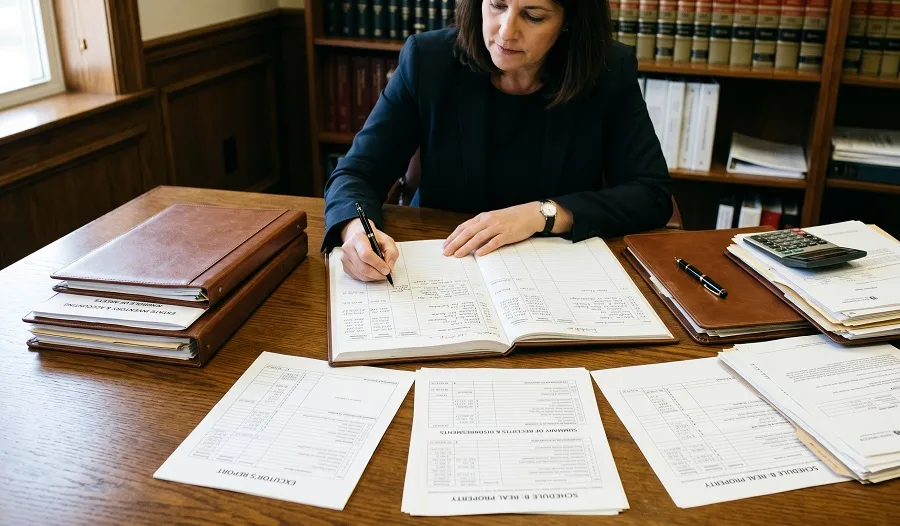
During probate, personal representatives may be required to respond to formal court requests, including:
- Requests for court oversight, such as orders requiring clarification of estate actions or timelines.
- Formal accountings, detailing estate assets, expenses, and distributions.
- Court hearings in which a judge reviews compliance with fiduciary duties.
Having legal counsel can help executors prepare accurate filings, respond to court inquiries, and resolve issues before they escalate into contested probate proceedings.
Legal Guidance for Personal Representatives in Arizona Probate
Serving as a personal representative involves significant legal responsibility. Questions about asset distribution, timing, creditor claims, or compliance with a will can expose executors to court scrutiny and potential personal liability if mishandled.
HagEstad Law Group advises personal representatives throughout the Arizona probate process. Our attorneys help executors understand their fiduciary duties, comply with probate requirements, and address administrative issues before they escalate into contested proceedings. If you are serving as a personal representative and have questions about your obligations or compliance with Arizona probate law, contact us to discuss your role and next steps.
#cta_start
Get Clear Answers from an Arizona Probate Attorney
If you are serving as a personal representative and have questions about complying with a will or managing probate responsibilities, contact HagEstad Law Group to discuss your role, compliance obligations, and next steps under Arizona probate law.
#cta_end